





Few materials change a room as much as natural stone. A marble vanity, a travertine floor or a limestone fireplace brings depth, texture and a sense of permanence that no imitation can match. Every slab is unique, and it ages with the house. But each stone behaves differently, so choosing the right one matters as much as choosing the look.
Six stones worth knowing
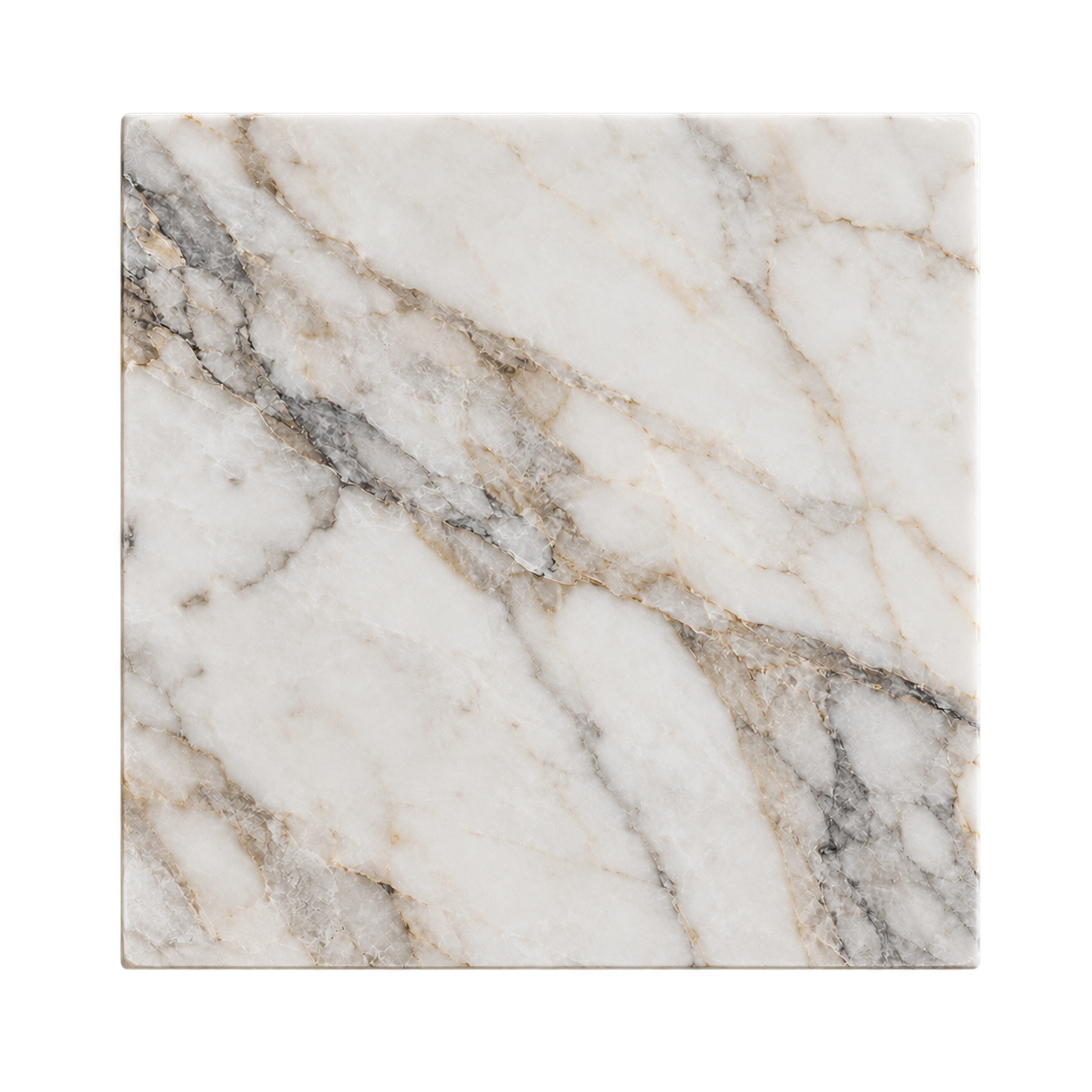
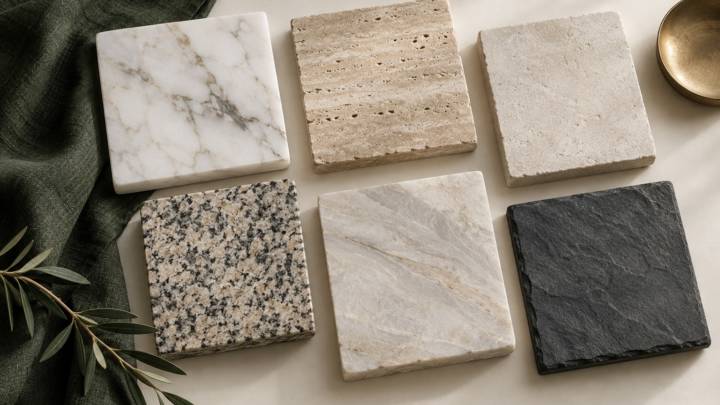
Marble
Luminous and veined. Sensitive to acids; best suited to vanities, fireplaces and statement walls.
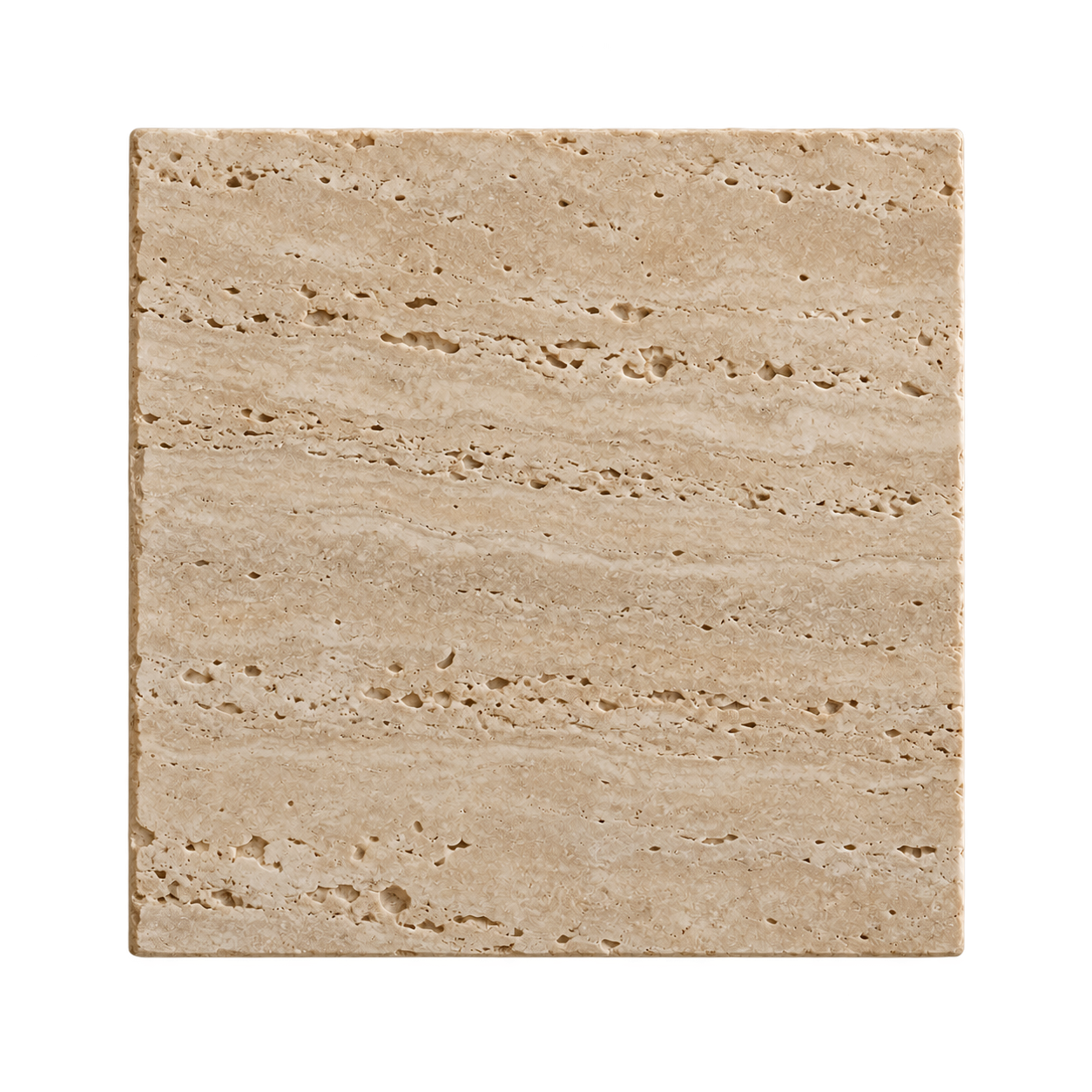
Travertine
Warm and naturally porous. Once filled and sealed, it works beautifully on floors, bathroom walls and furniture.
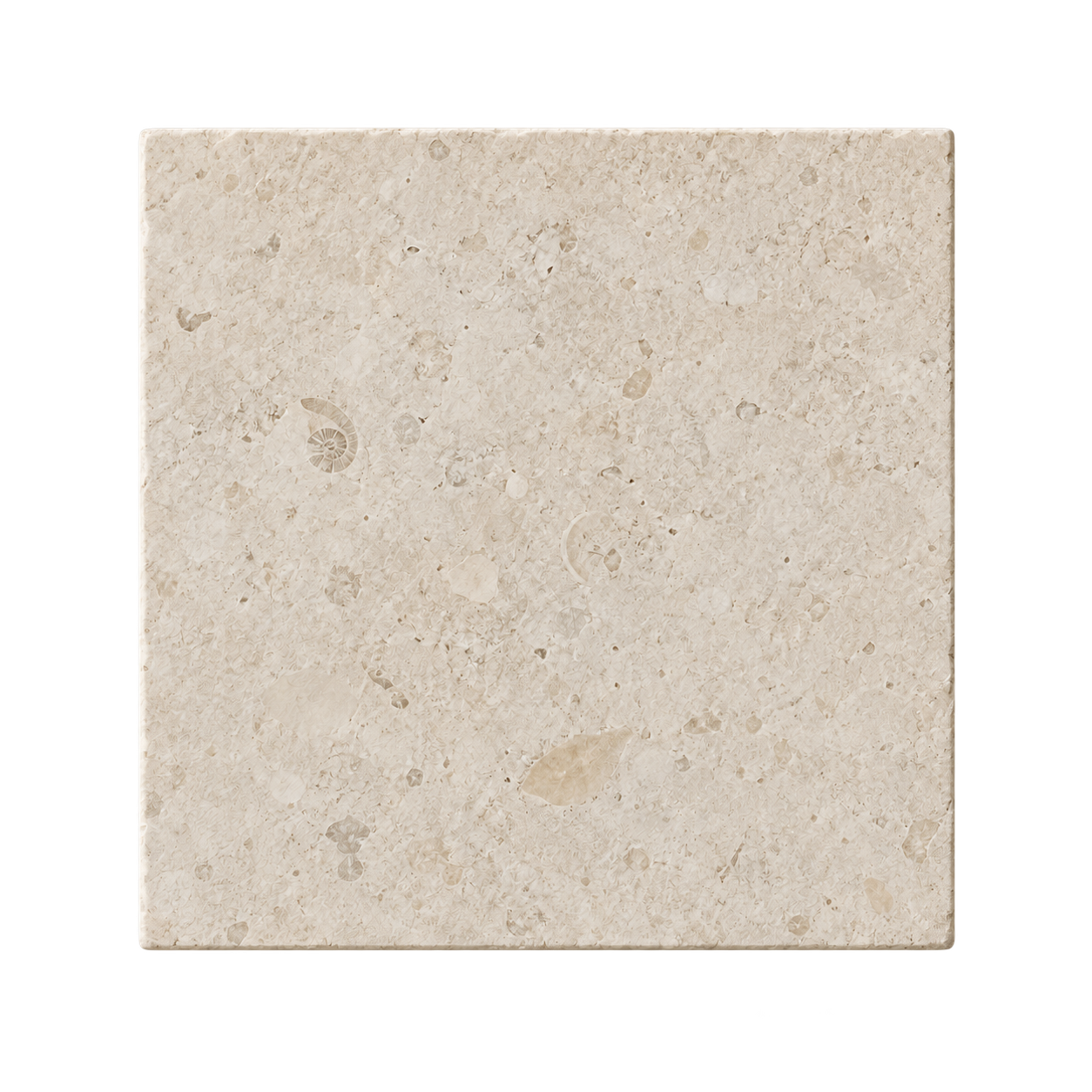
Limestone
Soft, calm and matte. Its quiet character suits floors and walls, though it needs protection from acids.
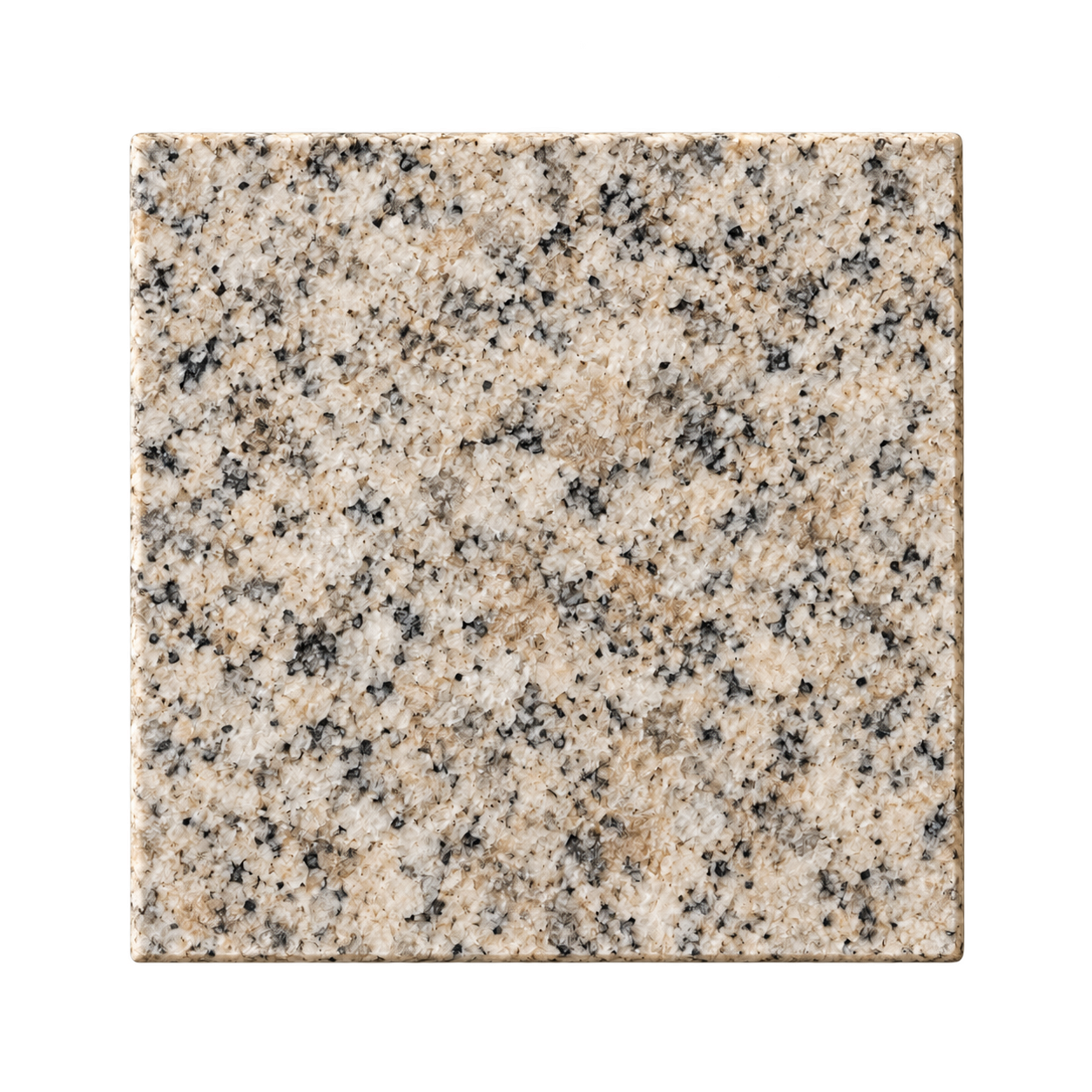
Granite
Dense, speckled and exceptionally hard-wearing. A practical choice for hardworking kitchen worktops.
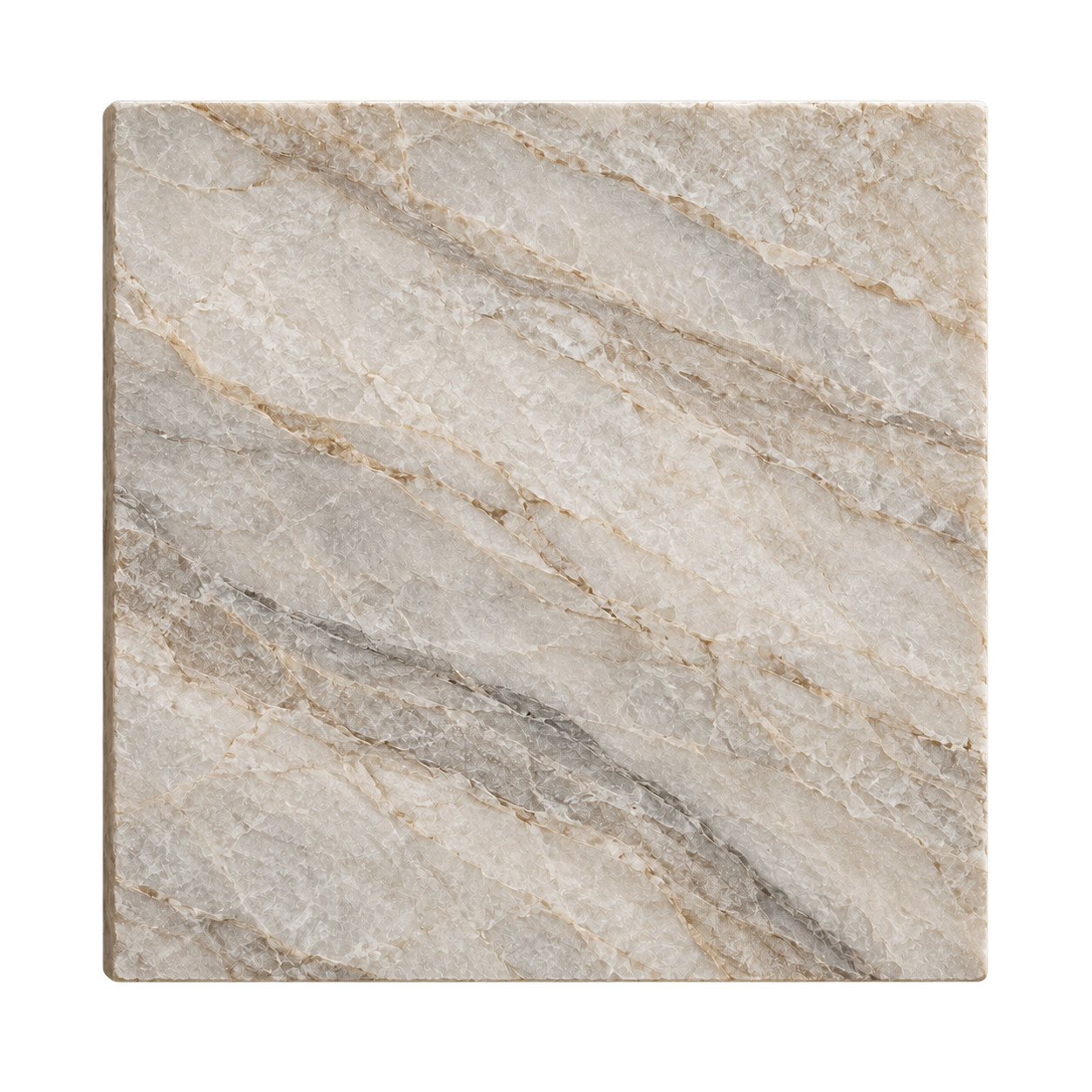
Quartzite
Marble-like in appearance but harder and less acid-sensitive, making it well suited to kitchens and showers.
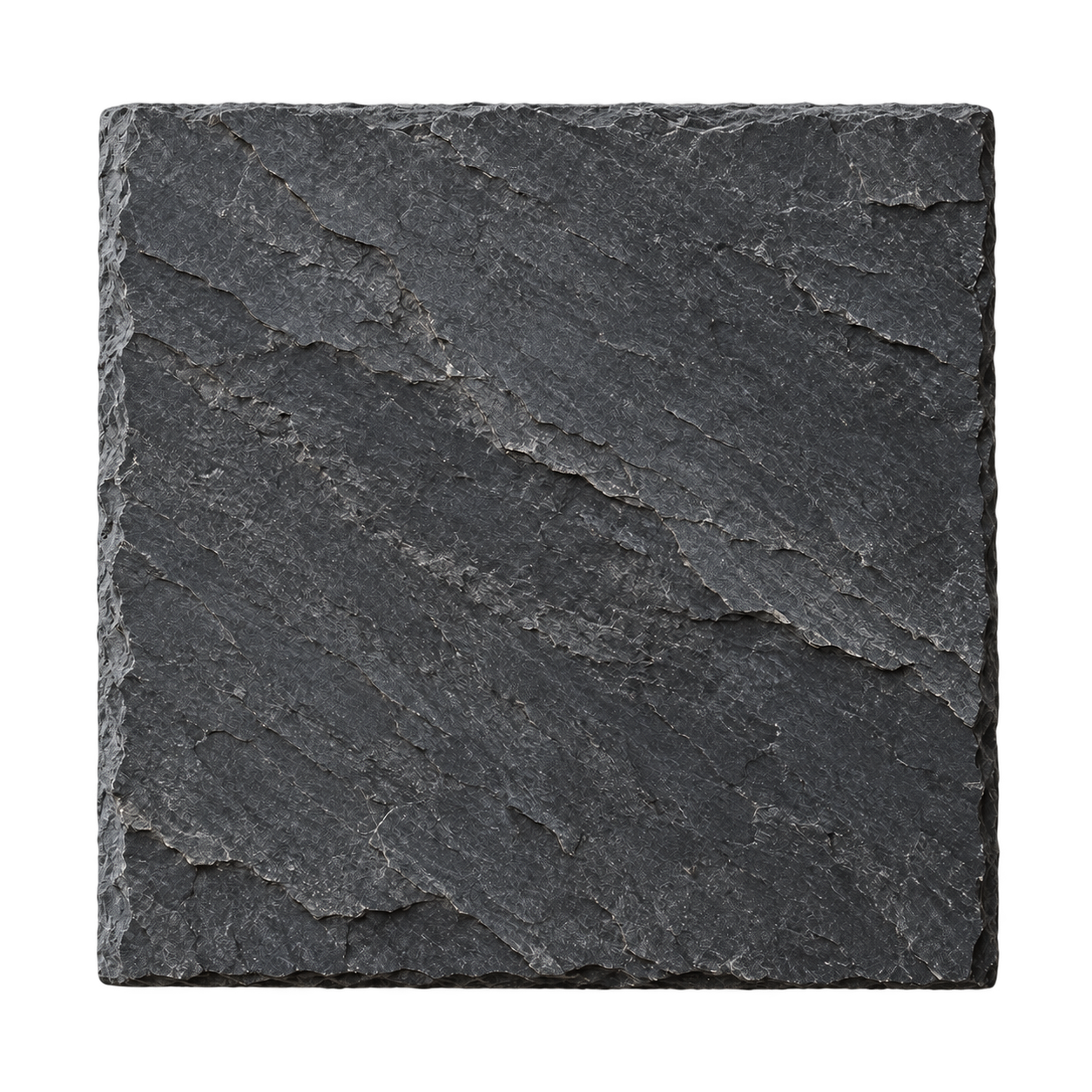
Slate
Dark, layered and naturally matte. Its textured surface provides useful grip on floors and in showers.
Marble is the classic: luminous, veined and elegant. It’s calcareous, so lemon juice, wine or vinegar can leave dull marks (etching). Beautiful for bathroom vanities, fireplaces and statement walls; in a busy kitchen, accept that it will develop a patina.
Travertine is warm and relaxed, with its characteristic small holes. It’s back in fashion for floors, bathroom walls and even furniture. Filled and sealed, it’s easy to live with.
Limestone is soft, calm and matte, ideal for floors and walls when you want a quiet, natural backdrop. Switzerland has its own tradition here: think of the yellow stone of Neuchâtel’s old town.
Granite is dense, speckled and very hard-wearing. It’s the practical choice for kitchen worktops that see heavy daily use.
Quartzite looks like marble but is much harder and less sensitive to acids, making it a favourite for kitchens and showers. Swiss quartzite from Vals, famous from the Therme Vals, shows how beautiful it can look in a bathroom.
Slate is dark, layered and matte, with good grip underfoot. It works well on floors, in showers and for a moody, grounded look.
The finish matters as much as the stone
The same stone can look completely different depending on its finish. Polished stone is shiny and reflective, but shows marks and can be slippery when wet. Honed stone is matte and softer, and hides small marks better. Leathered stone has a gentle texture that hides fingerprints and gives good grip. For floors and bathrooms, we usually recommend honed or leathered finishes.
Where to use natural stone
Bathrooms: a stone vanity top, a shower wall or a floor instantly makes a bathroom feel more generous and calm.
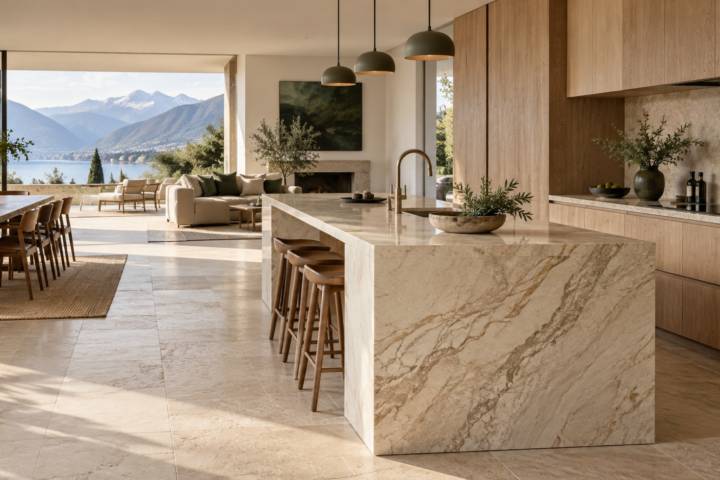
Kitchens: choose a hard stone like granite or quartzite for worktops, or embrace marble’s patina if you love its look.
Living spaces: a stone fireplace, a side table or a coffee table brings texture without taking over the room.
Small touches: a stone tray, lamp base or window sill is an easy way to bring stone into a rental.
Living with natural stone
Seal porous stones like marble, travertine and limestone, and renew the seal regularly. Wipe up acidic spills quickly, and clean with a mild pH-neutral cleaner rather than vinegar or strong products. Above all, accept a little patina: natural stone is meant to age, and that’s part of its charm.
Polished
Bright and reflective. A polished surface emphasises colour and veining, but shows marks more readily and can become slippery when wet.
Honed
Smooth, matte and understated. A honed finish gives stone a softer appearance and hides small marks better.
Leathered
Gently textured and tactile. A leathered finish adds depth, disguises fingerprints and offers useful grip.
Choosing stone for your project?
Di Dio Interiors is an interior design and decoration studio founded by Alessia Di Dio. We help you choose the right stone, finish and supplier for your home, and coordinate the work with the trades. Book a first consultation and tell us about your project.
FAQ
Is marble a good choice for a kitchen? It’s beautiful but sensitive to acids and will develop a patina. If you want a marble look with less maintenance, consider quartzite.
How often should natural stone be sealed? It depends on the stone and how it’s used. Porous stones in kitchens and bathrooms usually need resealing more often than walls or decorative pieces.
Is natural stone expensive? Prices vary widely by stone, origin and finish. Using stone in one key place, like a vanity or a fireplace, often gives the biggest impact for the budget.